What it is: A sodium blood test measures the level of sodium, the main electrolyte controlling fluid balance outside the body's cells, in the blood.
Why it's ordered: Ordered as part of an electrolyte or metabolic panel to evaluate dehydration, fluid overload, or symptoms like confusion, seizures, or unexplained fatigue.
What it detects: Sodium levels reflect the balance between water and salt in the body rather than salt intake alone; abnormal levels can point to kidney disease, hormonal imbalances, or excessive fluid loss or intake.
Collection & prep: A standard blood draw from a vein in the arm, usually as part of a broader metabolic panel. No special preparation is typically required.
Results:
High (hypernatremia) – usually reflects dehydration or excess free water loss
Low (hyponatremia) – can reflect excess fluid retention, certain medications, or hormonal conditions
Normal – fluid balance appears stable
Possible complications of a sodium imbalance: Rapid or severe sodium shifts can cause confusion, seizures, or brain swelling, which is why very abnormal levels are corrected gradually and under medical supervision rather than all at once.
Quick Guide: Thyroid-stimulating hormone (TSH) Blood Test
What it is: A TSH (thyroid-stimulating hormone) test measures the level of TSH, a pituitary hormone that signals the thyroid gland to produce thyroid hormone, in the blood.
Why it's ordered: Usually the first test ordered to screen for or monitor thyroid conditions like hypothyroidism or hyperthyroidism, based on symptoms such as fatigue, weight changes, or heart rate changes.
What it detects: TSH rises when thyroid hormone (T4) is too low, as the pituitary tries to stimulate more production, and falls when thyroid hormone is too high, making TSH a sensitive first-line marker of thyroid function.
Collection & prep: A standard blood draw from a vein in the arm. No special preparation is typically required.
Results:
High – suggests an underactive thyroid (hypothyroidism)
Low – suggests an overactive thyroid (hyperthyroidism)
Normal – thyroid function appears balanced; if abnormal, follow-up free T4 (and sometimes T3) testing is typically added
Possible complications of thyroid dysfunction: Untreated hypothyroidism or hyperthyroidism can affect heart rate, weight, mood, and energy levels; TSH results are followed up with T4/T3 testing and clinical evaluation before starting treatment.
Quick Guide: Thyroid-stimulating hormone (TSH) Blood Test
What it is: A TSH (thyroid-stimulating hormone) test measures the level of TSH, a pituitary hormone that signals the thyroid gland to produce thyroid hormone, in the blood.
Why it's ordered: Usually the first test ordered to screen for or monitor thyroid conditions like hypothyroidism or hyperthyroidism, based on symptoms such as fatigue, weight changes, or heart rate changes.
What it detects: TSH rises when thyroid hormone (T4) is too low, as the pituitary tries to stimulate more production, and falls when thyroid hormone is too high, making TSH a sensitive first-line marker of thyroid function.
Collection & prep: A standard blood draw from a vein in the arm. No special preparation is typically required.
Results:
High – suggests an underactive thyroid (hypothyroidism)
Low – suggests an overactive thyroid (hyperthyroidism)
Normal – thyroid function appears balanced; if abnormal, follow-up free T4 (and sometimes T3) testing is typically added
Possible complications of thyroid dysfunction: Untreated hypothyroidism or hyperthyroidism can affect heart rate, weight, mood, and energy levels; TSH results are followed up with T4/T3 testing and clinical evaluation before starting treatment.
What it is: A T4 (thyroxine) test measures the level of thyroxine, the main hormone the thyroid gland releases, in the blood — as either total T4 or free T4.
Why it's ordered: Ordered to follow up an abnormal TSH result, diagnose hyperthyroidism or hypothyroidism, or evaluate autoimmune thyroid conditions like Graves' or Hashimoto's disease.
What it detects: T4 (with T3) regulates metabolic rate, heart and digestive function, and other body processes. Measuring T4 alongside TSH gives a fuller picture of thyroid function than TSH alone.
Collection & prep: A standard blood draw from a vein in the arm, usually alongside a TSH test. No special preparation is typically required.
Results:
High – suggests hyperthyroidism (overactive thyroid)
Normal – interpreted alongside TSH to confirm overall thyroid status
Possible complications of thyroid dysfunction: Providers often prescribe synthetic levothyroxine to treat low T4 from hypothyroidism; abnormal T4 combined with abnormal TSH usually leads to further testing, such as thyroid antibodies, to identify the underlying cause.
What it is: A T4 (thyroxine) test measures the level of thyroxine, the main hormone the thyroid gland releases, in the blood — as either total T4 or free T4.
Why it's ordered: Ordered to follow up an abnormal TSH result, diagnose hyperthyroidism or hypothyroidism, or evaluate autoimmune thyroid conditions like Graves' or Hashimoto's disease.
What it detects: T4 (with T3) regulates metabolic rate, heart and digestive function, and other body processes. Measuring T4 alongside TSH gives a fuller picture of thyroid function than TSH alone.
Collection & prep: A standard blood draw from a vein in the arm, usually alongside a TSH test. No special preparation is typically required.
Results:
High – suggests hyperthyroidism (overactive thyroid)
Normal – interpreted alongside TSH to confirm overall thyroid status
Possible complications of thyroid dysfunction: Providers often prescribe synthetic levothyroxine to treat low T4 from hypothyroidism; abnormal T4 combined with abnormal TSH usually leads to further testing, such as thyroid antibodies, to identify the underlying cause.
What it is: A triglycerides test measures the level of triglycerides, a type of fat from food that the body stores for energy, as part of a lipid panel.
Why it's ordered: Ordered as part of routine cardiovascular risk screening, typically alongside cholesterol values, or to monitor risk for pancreatitis when levels are very high.
What it detects: Elevated triglycerides are associated with cardiovascular disease risk, and very high levels can trigger pancreatic inflammation. Triglyceride levels fluctuate significantly with recent food and alcohol intake.
Collection & prep: A standard blood draw from a vein in the arm; fasting for 9–12 hours is often requested since triglycerides respond quickly to recent meals.
Results:
Below 150 mg/dL – considered healthy
150–499 mg/dL – borderline to high; increases cardiovascular risk
500 mg/dL or above – very high; raises risk of pancreatitis and needs urgent treatment
Possible complications of very high triglycerides: Levels above 500 mg/dL can trigger acute pancreatitis, a serious and painful inflammation of the pancreas, in addition to contributing to long-term cardiovascular risk.
What it is: A T3 (triiodothyronine) test measures the level of triiodothyronine, the more biologically active thyroid hormone, in the blood — as either total T3 or free T3.
Why it's ordered: Typically ordered when TSH is suppressed but T4 is normal, to check for T3 toxicosis (a form of hyperthyroidism driven by excess T3), or to further evaluate suspected hyperthyroidism.
What it detects: Most T3 is converted from T4 in peripheral tissue. T3 is generally less reliable than T4 for diagnosing hypothyroidism, since levels can drop during illness or hospitalization unrelated to thyroid disease, but it's useful for confirming certain hyperthyroid patterns.
Collection & prep: A standard blood draw from a vein in the arm, usually as a follow-up test after TSH and T4. No special preparation is typically required.
Results:
High – supports a diagnosis of hyperthyroidism, particularly T3 toxicosis
Low – not a reliable standalone indicator of hypothyroidism, since illness can lower T3 independent of thyroid function
Possible complications of thyroid dysfunction: T3 results are always interpreted alongside TSH and T4 rather than in isolation, since T3 alone can be misleading, especially in people who are acutely ill or hospitalized.
What it is: A T3 (triiodothyronine) test measures the level of triiodothyronine, the more biologically active thyroid hormone, in the blood — as either total T3 or free T3.
Why it's ordered: Typically ordered when TSH is suppressed but T4 is normal, to check for T3 toxicosis (a form of hyperthyroidism driven by excess T3), or to further evaluate suspected hyperthyroidism.
What it detects: Most T3 is converted from T4 in peripheral tissue. T3 is generally less reliable than T4 for diagnosing hypothyroidism, since levels can drop during illness or hospitalization unrelated to thyroid disease, but it's useful for confirming certain hyperthyroid patterns.
Collection & prep: A standard blood draw from a vein in the arm, usually as a follow-up test after TSH and T4. No special preparation is typically required.
Results:
High – supports a diagnosis of hyperthyroidism, particularly T3 toxicosis
Low – not a reliable standalone indicator of hypothyroidism, since illness can lower T3 independent of thyroid function
Possible complications of thyroid dysfunction: T3 results are always interpreted alongside TSH and T4 rather than in isolation, since T3 alone can be misleading, especially in people who are acutely ill or hospitalized.
What it is: A urea nitrogen (BUN) test measures the same blood urea nitrogen level as the standard BUN test — a waste product from protein breakdown used to screen kidney function.
Why it's ordered: Ordered to evaluate kidney function, typically alongside creatinine, as part of routine metabolic panels or when kidney-related symptoms or risk factors are present.
What it detects: Elevated urea nitrogen can reflect reduced kidney filtration, dehydration, heart failure, or GI bleeding; the BUN-to-creatinine ratio helps distinguish a kidney cause from a non-kidney one.
Collection & prep: A standard blood draw from a vein in the arm, usually as part of a basic or comprehensive metabolic panel. No special preparation is typically required.
Results:
High – can reflect reduced kidney function, dehydration, or high protein intake
Low – less common; can reflect liver disease or malnutrition
Normal – roughly 6–24 mg/dL, though ranges vary by lab
Possible complications of kidney dysfunction: A single abnormal urea nitrogen result doesn't diagnose kidney disease on its own; it's interpreted together with creatinine and eGFR, and very high levels warrant urgent evaluation.
What it is: A urea nitrogen (BUN) test measures the same blood urea nitrogen level as the standard BUN test — a waste product from protein breakdown used to screen kidney function.
Why it's ordered: Ordered to evaluate kidney function, typically alongside creatinine, as part of routine metabolic panels or when kidney-related symptoms or risk factors are present.
What it detects: Elevated urea nitrogen can reflect reduced kidney filtration, dehydration, heart failure, or GI bleeding; the BUN-to-creatinine ratio helps distinguish a kidney cause from a non-kidney one.
Collection & prep: A standard blood draw from a vein in the arm, usually as part of a basic or comprehensive metabolic panel. No special preparation is typically required.
Results:
High – can reflect reduced kidney function, dehydration, or high protein intake
Low – less common; can reflect liver disease or malnutrition
Normal – roughly 6–24 mg/dL, though ranges vary by lab
Possible complications of kidney dysfunction: A single abnormal urea nitrogen result doesn't diagnose kidney disease on its own; it's interpreted together with creatinine and eGFR, and very high levels warrant urgent evaluation.
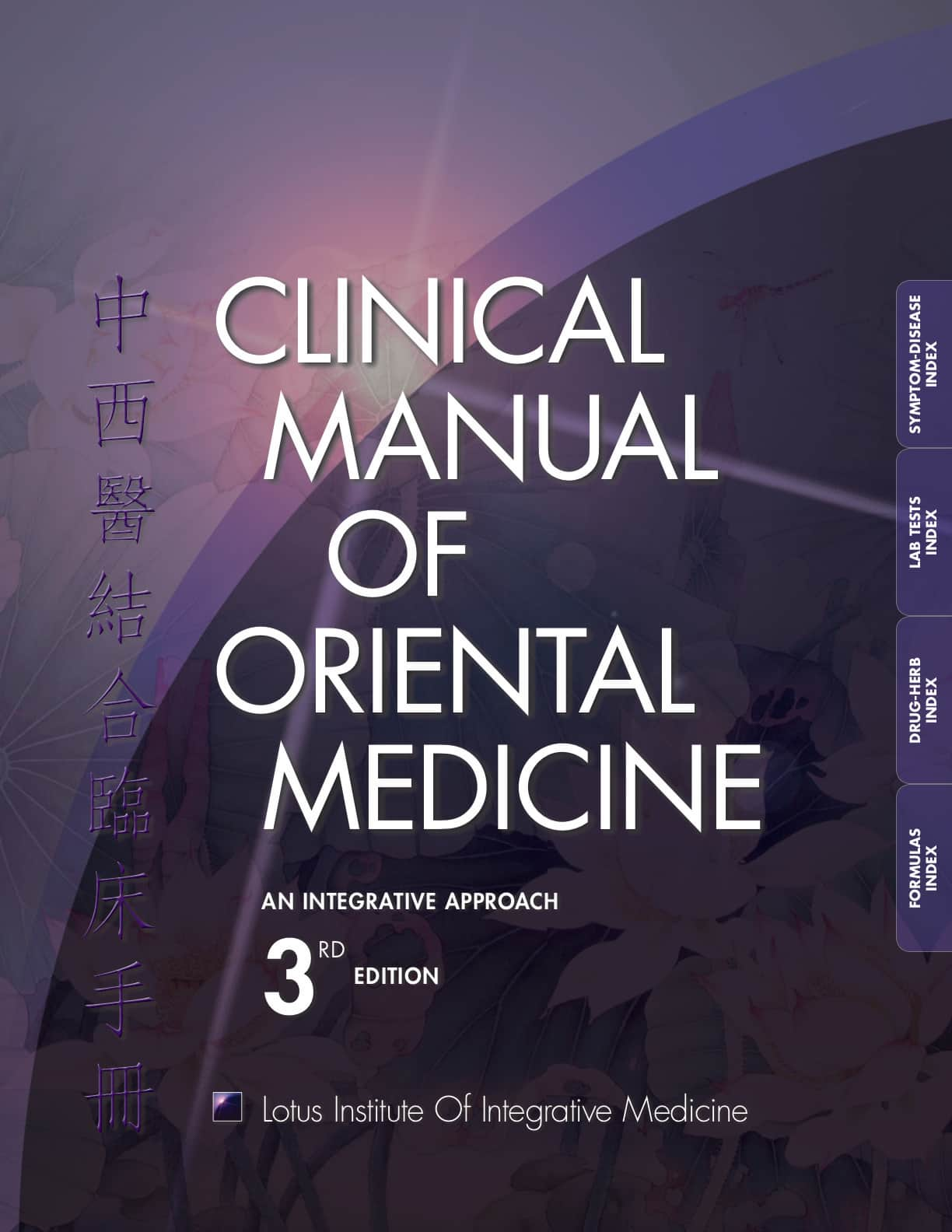
Statements made in the Clinical Manual have not been evaluated by the FDA. The products mentioned are not intended to diagnose, treat, cure or prevent any disease.